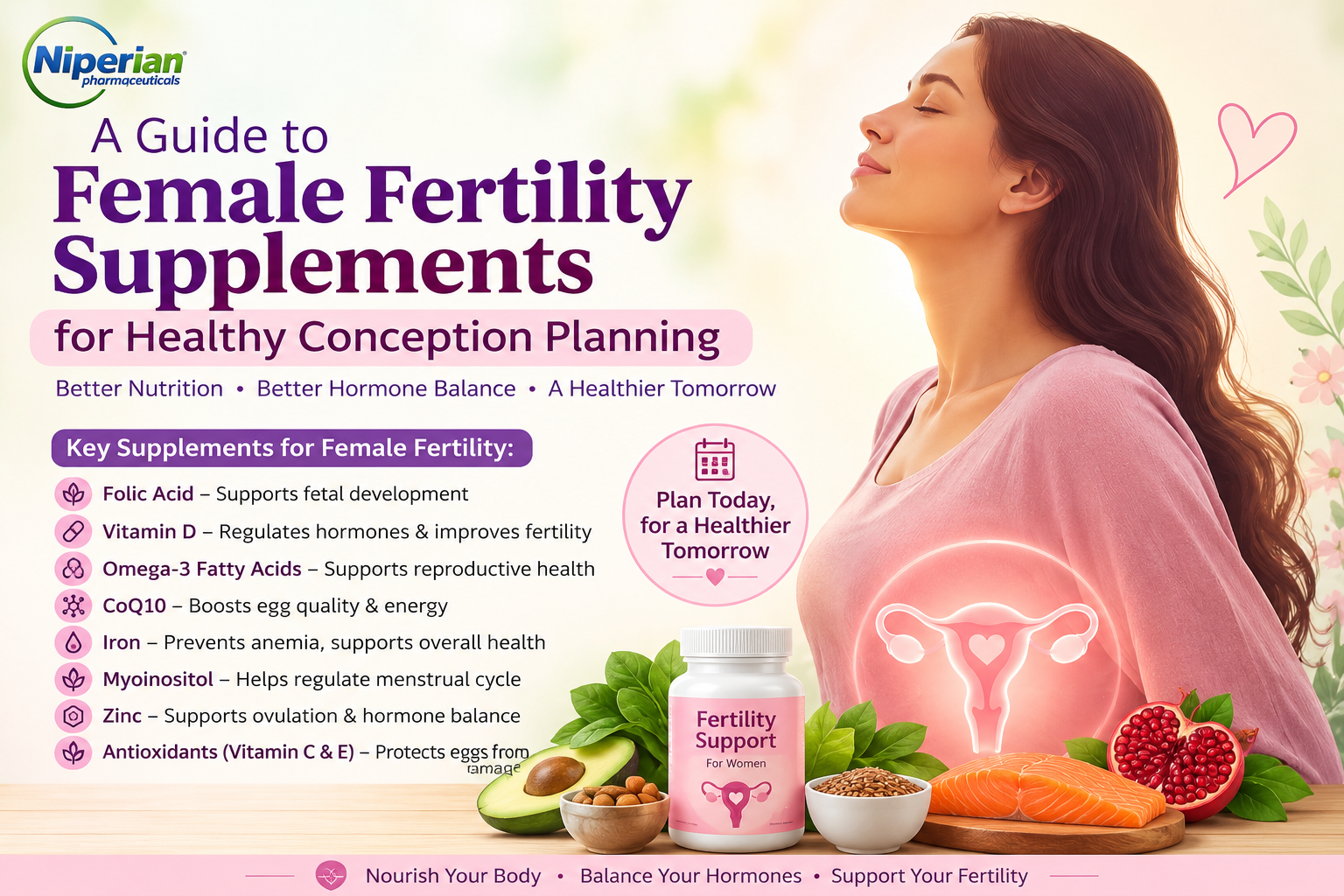
Planning for pregnancy is an important stage that involves more than simply tracking ovulation. Nutrition, lifestyle, overall wellness, and reproductive health can all play a role in preparing the body for conception. As awareness around preconception care continues to grow, many women are exploring Female Fertility Supplements as part of their overall reproductive wellness routine.
This guide explains what female fertility supplements are, the nutrients commonly found in them, and how they can fit into healthy conception planning.
What Are Female Fertility Supplements?
Female Fertility Supplements are nutritional formulations designed to provide vitamins, minerals, antioxidants, amino acids, and other nutrients that may support women’s reproductive health. They are generally used as part of a broader approach to preconception wellness rather than as a replacement for medical treatment.
Nutritional requirements can vary from woman to woman. Factors such as age, dietary habits, lifestyle, ovarian health, and existing health conditions may influence nutritional needs. Therefore, women planning pregnancy should discuss supplementation with a qualified healthcare professional.
Why Nutrition Matters Before Conception
The period before pregnancy provides an opportunity to establish healthy habits and address nutritional requirements. A balanced diet containing vegetables, fruits, whole grains, healthy fats, protein, and essential micro-nutrients forms the foundation of good health.
However, diet alone may not always provide adequate amounts of every nutrient. This is one reason healthcare professionals may recommend selected nutritional supplements during preconception planning.
Female Fertility Supplements may be formulated to provide nutrients associated with antioxidant protection, cellular energy, normal metabolism, and reproductive wellness.
Key Nutrients in Female Fertility Support
Different fertility formulations contain different combinations of ingredients. Common nutrients associated with reproductive nutrition include folate, vitamin D, B vitamins, zinc, selenium, iron, antioxidants, amino acids, and inositol s.
Folate
Folate is an important nutrient during the reproductive years and is particularly relevant before and during early pregnancy. Adequate folate intake is important for normal cell division and development.
Vitamin D
Vitamin D contributes to normal immune function, calcium metabolism, and overall health. Maintaining adequate vitamin D levels is an important part of preconception wellness.
Antioxidants
Oxidative stress can affect cells throughout the body. Antioxidant nutrients help protect cells from oxidative damage and are therefore commonly included in reproductive health formulations.
Inositols
Myo-inositol and related nutrients are frequently discussed in women’s reproductive and metabolic health, particularly in relation to menstrual and ovarian wellness. Their suitability depends on individual circumstances.

How Female Fertility Supplements Fit Into Conception Planning
Healthy conception planning should take a complete approach. Along with appropriate supplementation, women can focus on maintaining a nutritious diet, regular physical activity, adequate sleep, stress management, and a healthy weight.
It is also important to understand that supplements are not a guaranteed solution for infertility. Fertility can be influenced by many factors, including age, ovarian reserve, ovulation, fallopian tube health, sperm factors, hormonal conditions, and other medical considerations.
Women experiencing difficulty conceiving should seek professional fertility evaluation rather than relying on supplements alone.
OvaRestore by Niperian Pharmaceuticals
Niperian Pharmaceuticals focuses on research-driven healthcare and reproductive wellness. Its OvaRestore formulation is positioned as a preconception nutritional formulation designed around nutritional support for ovarian function, oocyte quality, endometrial receptivity, and reproductive wellness.
For women considering Female Fertility Supplements, a formulation such as OvaRestore can be considered as part of a broader preconception nutrition strategy under appropriate professional guidance.
The right nutritional approach should always take into account individual health requirements, dietary intake, existing medications, and advice from a qualified healthcare provider.
When Should You Consider Fertility Nutrition?
There is no single ideal approach that applies to every woman. Women planning pregnancy may discuss preconception nutrition with their doctor before trying to conceive. This can help identify nutritional gaps and determine whether supplementation is appropriate.
Women with concerns related to ovarian health, irregular cycles, previous pregnancy loss, unexplained infertility, or other reproductive concerns may require a more personalized assessment.
Final Thoughts
Female Fertility Supplements can be one component of healthy conception planning when used appropriately. They may provide important nutritional support for reproductive wellness, but they should complement—not replace—a balanced diet, healthy lifestyle, and professional medical care.
With a research-focused approach, Niperian Pharmaceuticals aims to contribute to science-driven reproductive healthcare solutions. Products such as OvaRestore are positioned within this approach to preconception nutritional support.
If you are planning pregnancy, speak with a qualified healthcare professional to understand your individual nutritional and reproductive health needs before starting any supplement.
Leave a Reply